
Why Perfume Smells Different on Everyone

Have you ever loved a fragrance on someone else, tried it yourself, and felt like it smelled slightly different? The fragrance formula has not changed, but the way it is experienced can. Skin condition, natural oils, body warmth, application, environment, everyday body rhythms, and even scent perception can influence how a fragrance develops throughout the day.
Understanding why perfume smells different from person to person starts with recognizing that perfume body chemistry is made up of many factors. It is the combination of the fragrance itself and the conditions in which it is worn.
Key Definitions
Body Chemistry and Perfume: What Actually Changes?
Fragrance chemistry provides the foundation. Concentration, fragrance materials, structure, and the overall scent profile do not become a completely different formula when perfume touches your skin.
What changes is the wearing environment around that formula. Factors like skin condition, natural oils, warmth, application, clothing, weather, movement, and personal scent perception can all affect the parts of the fragrance that feels most noticeable. That is why two people can wear the same scent and describe the experience differently.
Formula
The fragrance itself provides the scent foundation.

Formula Profile
Concentration + Notes + Structure
Personal Wear
Individual conditions shape the wearing experience.
Personal Wear Profile
Skin + Warmth + Application + Environment
How Perfume on Skin Can Wear Differently
The experience of perfume on skin can change with dryness, moisture, natural oils, and body care. Very dry skin may allow fragrance to settle differently, while comfortably moisturized skin can create another wearing environment. An unscented or lightly scented lotion may keep the fragrance easier to recognize, while a strongly scented lotion can introduce another layer.
Natural oils are part of that experience too. They can influence how fragrance materials sit on the skin and how smoothly the scent develops. This does not mean one skin type is better for perfume. It simply means skin condition and natural oils can help explain why the same fragrance does not feel exactly identical on every wearer.
Body Warmth, Weather, and Environment Change What You Notice
Body warmth can make fragrance feel more active, while cooler conditions may keep it closer and quieter. Activity level, application area, indoor or outdoor conditions, and the time of year can all change which parts of a fragrance feel most noticeable.
Weather adds another layer. Heat, humidity, cold air, heating, air conditioning, clothing, and movement can all influence how perfume feels. A fragrance worn outdoors on a humid summer day may create a different experience from the same scent worn indoors during winter. This is why judging a fragrance from only one wear may not tell you everything about its character.
Want a deeper look at temperature and fragrance wear?

Can Your Cycle Affect How Fragrance Feels?
At different points in the menstrual cycle, changes in body warmth, skin condition, comfort, and scent sensitivity may influence how noticeable or appealing a fragrance feels. A familiar perfume may sometimes seem warmer, stronger, softer, or simply less appealing than usual.
Not everyone notices these changes, and the experience varies from person to person. You do not need a different fragrance routine for every phase. Using a lighter amount, choosing something softer or familiar, or simply giving the scent more time to settle may be enough.
Want a softer routine for days when comfort comes first?
Application Can Change the Same Perfume
Even on the same person, fragrance can feel different depending on how it is applied. The amount used, placement, and products worn with it can all affect the final experience. MyRosy can be used as a perfume alternative and may also be incorporated into body lotion or hair care.
The fragrance formula has not changed. The way it reaches your nose has.

What You Notice Is Part of the Fragrance Experience
A perfume contains multiple fragrance materials working together, and individual conditions can influence which parts of that composition stand out. One person may notice citrus or fruit first, while another focuses more on floral notes, vanilla, woods, or musk. This does not mean the actual formula is different.
Your nose matters too. People vary in sensitivity and scent familiarity, and personal memories can influence how fragrance is interpreted. When the same perfume is worn often, your nose may also begin to pay less attention to it, making the scent seem quieter even when someone nearby can still notice it.
That is why two people can describe the same fragrance differently and both experiences can make sense. Fragrance is both formula and perception.
Why You Should Try Perfume on Yourself
Smelling a fragrance on someone else can help you discover new scents, but it cannot completely predict how the fragrance will feel on you.
When trying perfume:
The goal is not to find a fragrance that smells identical on everyone. It is to find one that feels right when you wear it.
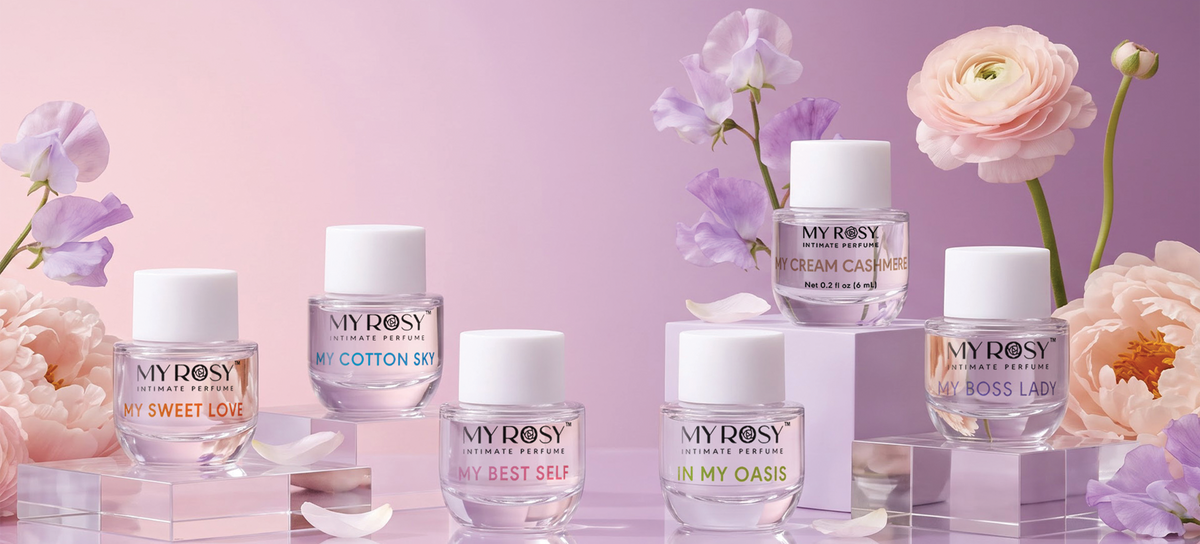
Looking for perfume oils that can become part of your personal fragrance routine?
Your Fragrance Experience Is Personal
Perfume body chemistry describes the personal conditions that can shape fragrance wear, from skin and warmth to application, environment, and perception.
The formula creates the scent. How it feels on you is part of the experience.
Skin condition, natural oils, body warmth, application, environment, and individual scent perception can influence how the same perfume develops and feels on different people.
Perfume body chemistry is a common way to describe how personal factors such as skin condition, natural oils, and body warmth can influence the way fragrance is experienced on the skin.
Skin condition can influence how fragrance settles and wears. Dryness, moisture, natural oils, and body care products may all affect the overall fragrance experience.
Changes in skin condition, body warmth, activity, weather, application, surrounding products, and scent perception can make the same fragrance feel slightly different from one day to another.
Changes in body warmth, comfort, skin condition, and scent sensitivity at different points in the cycle may influence how noticeable or appealing a fragrance feels. The experience varies from person to person.
Yes. Testing fragrance on your own skin and giving it time to settle can help you understand how the scent fits your personal wearing conditions and fragrance preferences.

What is intimate perfume, and how is it different from regular perfume? Learn how application, scent presence, fragrance format, and personal wear can create a different scent experience.
What is intimate perfume, and how is it different from regular perfume? Learn how application, scent presence, fragrance format, and personal wear can create a different scent experience.

Love the warm, boozy gourmand mood of Angels’ Share? Learn what makes this scent style so appealing and discover how My Cream Cashmere explores a softer, close to skin gourmand...
Love the warm, boozy gourmand mood of Angels’ Share? Learn what makes this scent style so appealing and discover how My Cream Cashmere explores a softer, close to skin gourmand...

Why does the same perfume smell different from one person to another? Discover how skin condition, natural oils, body warmth, application, environment, and scent perception shape fragrance wear.
Why does the same perfume smell different from one person to another? Discover how skin condition, natural oils, body warmth, application, environment, and scent perception shape fragrance wear.

